Tuesday, January 7, 2020

Women, Westminster, & Capability Brown

Yesterday I discovered a woman-owned and operated company, Women of London, that offers tours of monuments in London honoring women. I’m going to see how expensive a private tour is since it’s rain or shine and I honestly don’t know if I could or should manage a 2+ hour walking tour in the rain. The regular tour is £20 so it might be feasible.

I definitely want to book a tour of Westminster Abbey by a verger and the upstairs/downstairs Blenheim Palace tours. Westminster Abbey stopped online booking at the end of March. I’ll have to wait a couple of weeks.

Blenheim Palace is vast, and a tour will help orient me, plus if done well is just the sort of historical gossip I enjoy. My historical knowledge is limited to the movie The Favourite, a ‘punk Restoration romp’ that centers on the relationship of the Duchess of Marlborough and Queen Anne. My other connection is my Cavalier Blenheim Cavalier spaniel. A regal little goofball o’ fluff.

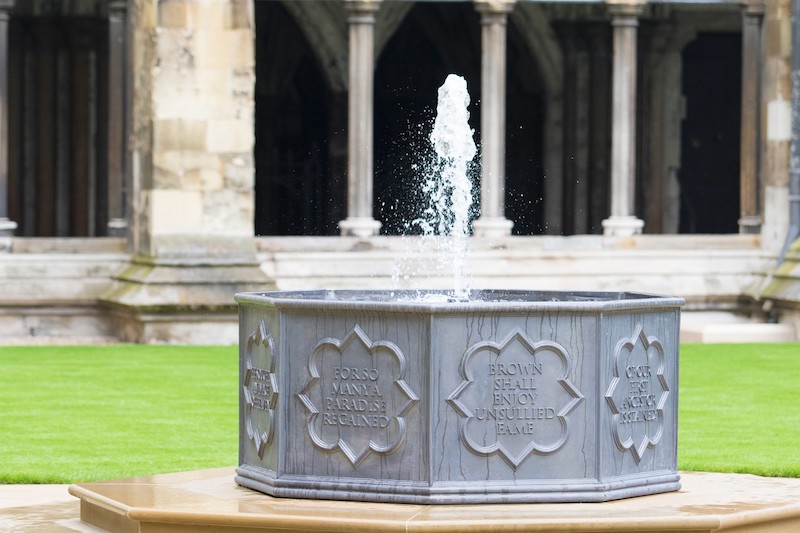
Interesting connection, the landscape of Blenheim was designed by Capability Brown, and there is a memorial fountain dedicated to him in Westminster, appropriately enough in the center of a green space inside the cloister. It’s inscribed with this delightful Walpole quote;
“With one lost paradise the name
Of our first ancestor is stained;
Brown shall enjoy unsullied fame
For so many a paradise regained”

Monday, January 6, 2020

making plans

After dithering since last summer, my daughter’s departure for Barcelona  kickstarted my travel planning brain.

Over the last two days decisions have been made, accommodations acquired, and flights booked. Obstacles melted away and everything just fell into place.

London: Thursday, March 26 – Friday, April 17. Staying in Covent Garden. #allmuseumsallartallthetime.
Vienna: Friday, April 17 – Monday, April 27. Staying near the museums. If I could, I’d sleep in the Kunsthistoriche.
Woodstock & Oxford: Monday, April 27 – Saturday, May 2.  A breath of country air. Visiting Blenheim Palace because cavaliers, the Ashmolean Museum in Oxford, and The Kilns, because Narnia (C. S. Lewis’s home).
London: Saturday, May 2 – Wednesday, May 6. Staying in Spitalfields. The anti-museum, pro-gardens, pro-street markets and pro-cemeteries portion of my trip. Generally goofing-off.

Various family members may join me for different stretches of the trip. No dates/commitment, since it depends on their hectic and often unpredictable movie/series schedules. Beloved spouse may or may not join me for ten days, split between London and Vienna. He’s a hard man to pin down.

I’m starting to fill in my day-by-day calendar with fair and foul weather options. Plugging in timed ticket entries here and there, maybe a guided tour.

This is probably my favorite part of the trip, chasing down all the places I want to see.

2011 at Somerset House

Saturday, July 13, 2019

Destination Vienna

After much deliberation, I’ve settled on Vienna to be the companion city on the London trip. It has one of my favorite museums in the world, the Kunsthistoriche.

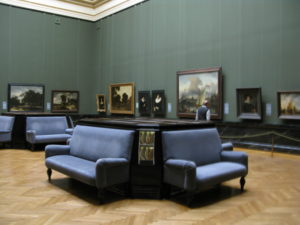
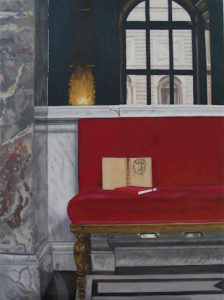
I adore the collection and the many velvet sofas, so welcoming for the weary traveler. The painting below (a sketch I did of a Rembrandt self-portrait, propped on a sofa alongside the grand staircase) came from my time there

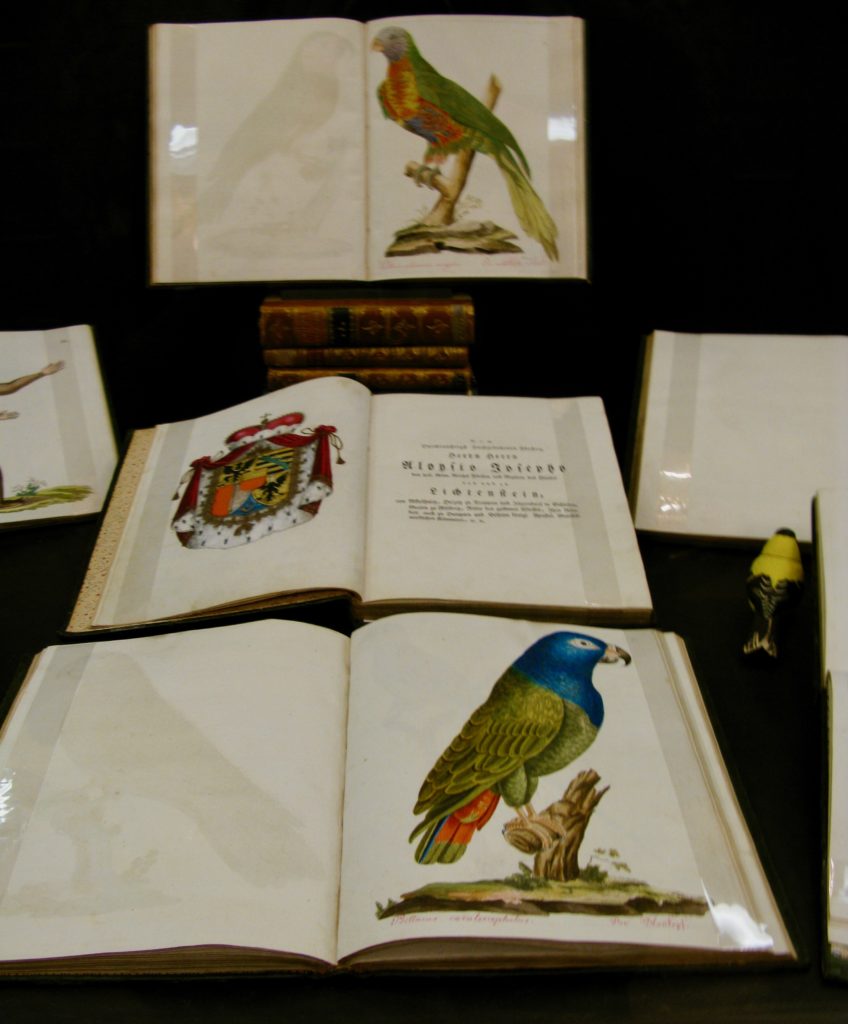
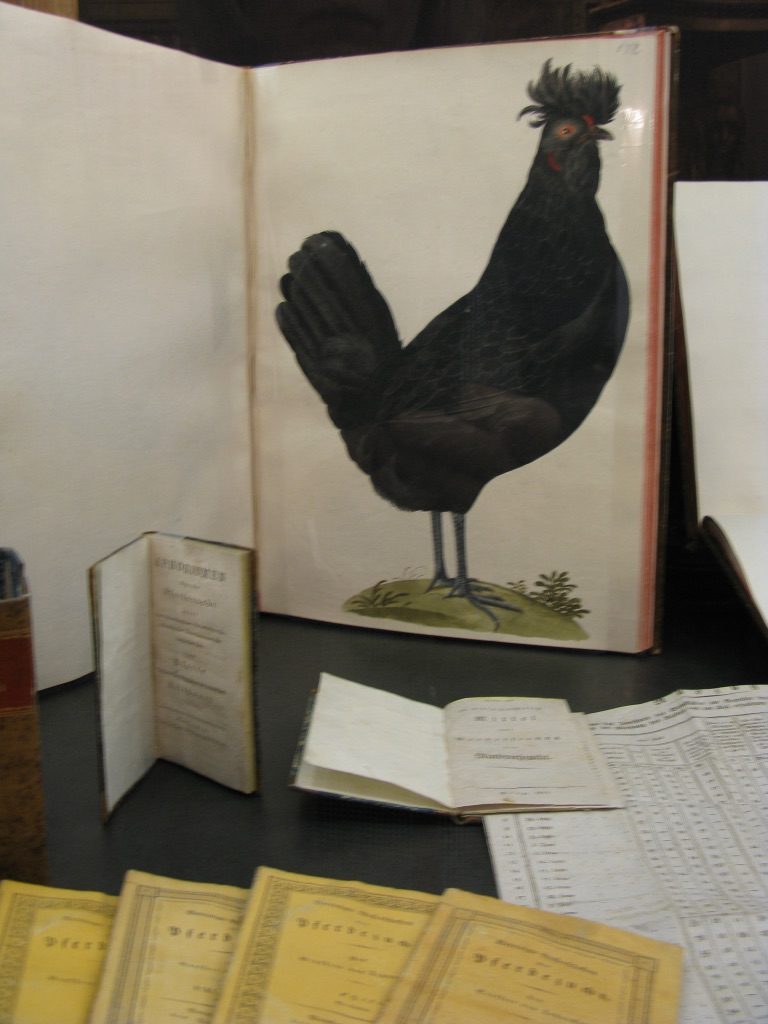
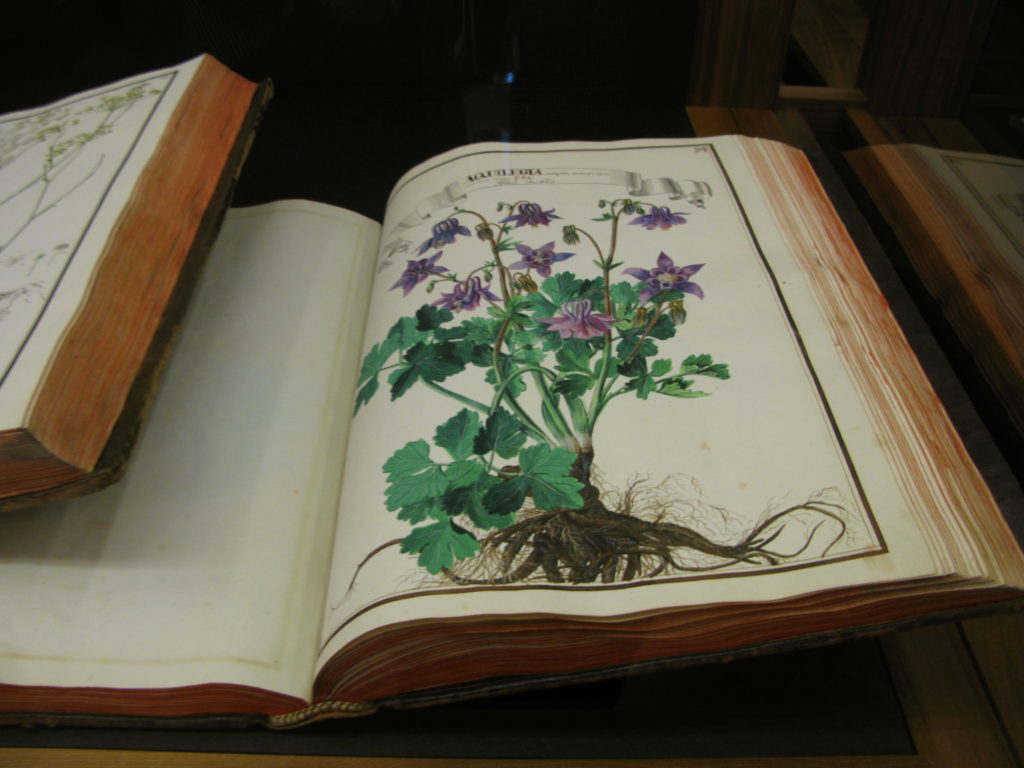
Liechtenstein Garden Palace is another very happy memory, in particular, the library with its bronzes of Greek poets and philosophers, and the lavishly illustrated books, illuminated ledgers of the flora and fauna of the family estates.

The sole drawback to Vienna is my memory of the incessant smoke. It rained every day I was there, and every restaurant, cafe, and pastry shop had a thick, choking pall of smoke. I ate take-out food on the street, and breathed clean air in the museums and subway. I had begun diligently seeking out alternatives to holding my breath for two weeks but the universe had a better plan. The legislation to make public venues like restaurants and cafes smoke-free is back on track. Yay!

I’ve done a few days of preliminary research for my Theory of Everything document; listing the museums, churches, palaces, cafes, attractions, and pastry shops. Each venue is a line item with the name, address, days and hours open, ticket cost, and website URL. This is pure fun. While I’m on the websites I check the upcoming exhibitions since museums plan far in advance.


I’m researching two of my favorites activities from trips past – scooter tours and food tours. Got suggestions?

I’ve looked at dozens of places to stay and have it boiled down to six places for – three hotels, a B&B, and an apartment. Weighing space vs cost vs convenience. I’ve initiated the Vienna Google map; seeing where the lodgings are in relation to the venues I’m most interested in.
Round trip airfare from London runs $137-200, depending on time of day.

I’ll have my usual fun, making daily itineraries for rain or shine, and one with Robert in mind, in case he decides to join me. I live in hope. ;D

Research has changed. Fifteen years ago, I’d go the library and bookstore and check out multiple guide books. Ten years ago all the fresh information moved online. Five years ago I read blogs by individual travelers and expats, along with Rick Steves, Fodors, Eyewitness, Lonely Planet, and Rough Guide, and listened to podcasts. This time I’m finding the freshest boots-on-the-ground information on Youtube. Be aware while the quantity is enormous and the quality is erratic. I sift through dozens of them to find the gems.

One of my favorite presenters on Vienna/Now is Adia Trischler. Also love the My Perfect Day in Vienna series. Fire up the closed caption option and enjoy.

It feels great to be in trip planning mode again.

Friday, July 5, 2019

Britannia, spring of 2020

It’s decided. I’ve bought the round trip plane ticket and booked the first (nonrefundable) hotel.

Here’s the gist; I’m coming to London to park myself in museums large (I’m looking at you, Victoria & Albert) and small (Hello there, Soames, I’ve heard great things.)

I arrive the last week of March and depart the first week of May. That gives me time for a couple of weeks in a second destination. My first choice is Ireland, but other towns are in the running too, from Vienna to Oxford. If my daughter’s work schedule allows her to join me in Ireland, it’s a road trip. If she can’t, I’ll need a completely different itinerary, something I can manage on my own. This will require logistics and strategy. Whatever my final choice, it will be back to London for the last week.

I decided to fire up the travel blog now, so I can document my planning process. The difference between what I envision and what actually happens is always instructive. Woman proposes, God disposes.

While I’ve been on travel hiatus, WordPress hummed along, merrily updating itself. It looks familiar but it’s not precisely the same, back here behind the curtain. It may take a few posts to recover my blogging skills.

Sunday, May 7, 2017

Rome: Look Up

Look up

The advice, “don’t forget to look up,” was the best tip I got before I spent a month cruising the Louvre in 2014. It changed my traveling art pilgrim’s perspective. It made my heart open and my soul expand.
It was a euphoric experience in Rome. I was awed and seduced by the glory overhead, revelations just waiting to be noticed. When artistic geniuses put forth their best effort into visual redemption, they deliver. Spare a thought for what it takes to create this work, the skill and dexterity that has to be married to the physical challenge of working upside down.
Sometimes it’s a specific element, like trompe l’oeil, that makes the magic happen.

[easy-image-collage id=3684]

Sometimes it’s pure pattern, color, and light.

[easy-image-collage id=3678]

Sometimes it all about showing off temporal power and might; the doves from the coat of arms of the Doria Pamphilj dynasty or the battle victories of the Colonna.

[easy-image-collage id=3683]

I am partial to the stories of gods and goddesses rollicking in sylvan glades, Hercules in action, and astrological symbols (hey, I’m a former hippie).

[easy-image-collage id=3679]

It’s different from works on canvas. I never warmed up to Vasari (painter and author of Lives of the Artists) until I saw his frescoed ceilings in the Vatican. It was a revelation. The stiff pomposity of his large canvas works was nowhere to be found in the gauzy-edged, joyful overhead renderings. Biblical stories are a favorite theme. I don’t know how much time the popes spent on their back, but I am sure their mistresses were grateful.

[easy-image-collage id=3682]

I’ve always associated the notion of heaven with gazing up whether it’s a view of blue skies, sunlight streaming in ribbons through the clouds, or a night sky strewn with stars.
We instinctively raise up that which we venerate. There’s reason for thrones and podiums and altars; to remind you that you are in the presence of something greater than yourself. There’s a reason people cram the Vatican Museums to bursting and all surge in one direction; the Sistine Chapel. Imagine, in a world lit only by fire you could look up and see light and color and beauty instead of darkness.

Mirrors and binoculars don’t work for me, but I have a few successful strategies for the ubiquitous crick-in-your-neck issue.

  1. Stop, look down and to the left and right. Pause. Go back for more.
  2. Take photos where permitted. Your phone on selfie mode works great! You can take excellent photos without doing a backbend.
  3. Lean on a stone wall or marble pillar, arch your back, and tilt your chin up. If the wall surfaces are frescoed, don’t do this.
  4. Find a pew, slide down until your neck is supported, and stare to your heart’s content.

Sometimes the painting overhead is a culmination of a space entirely given over to beauty and inspiration. Visual hope. When it’s done right, it’s full immersion, like when the Baptists go down to the river, and you are forever changed.


Saturday, April 29, 2017

Rome: Look Down

Rome: The Good, the Bad, the Heartbreaking.
The Heartbreaking
Look down.
I know I’ve insisted on looking up. Having your breath taken away by the extreme beauty of Italian ceilings is an experience that never gets old.
But one day I happened to look down as I opened the front doors of my apartment on Via Germanico, 96. I saw three brass squares the size of cobblestones, set slightly askew in the sidewalk.
Curious, I looked closer. A few minutes later, I felt my heart crack. A teaspoon of information was on each one; a name, three dates, two places.

Qui Abitava
Giuseppe Efrati
Nato 1880
Arrestato 16.10.1943
Deportato
Auschwitz
Assassinato 23.10.1943

I can only recognize a few words in Italian, but I understood this immediately. Arrested, deported, assassinated. I barely needed the dates to know what I was looking at. Auschwitz is synonymous with Hell in every language. In one blink, I’d seen a Holocaust memorial, powerful and painful. Here, right here, these people lived, just as I lived here now, and they were taken from here to be slaughtered.

Qui Abitava
Clara Baroccio Efrati
Nata 1891
Arrestata 18.10.1943
Deportata
Auschwitz
Morta
in luogo ignoto
in data ignoto

I had to Google Translate the ending of Clara Baroccio Efrati’s brass square

Dead
In an unknown place
On an unknown date

The third square belonged to their son.
Qui Abitava
Augusto Efrati
Nata 1916
Arrestata 16.4.1944
Deportata
Auschwitz
Morta 19.3.1945
Gross rosen

It ended with another phrase I didn’t understand; Gross rosen. Big Roses? What could that mean? Google knew. It was the center of an industrial complex and the administrative hub of a network of at least 97 subcamps. If you saw the movie Schindler’s List, it was set there.

What did the writing on the three brass squares tell me? A 63-year-old man and 52-year-old woman – husband and wife (most likely) and their 29-year-old son, who shared the name of an emperor of Rome. The couple was arrested in October 43, he first, she two days later. The young man was not captured until April 44, seven months later. I wonder, was he in hiding, or in denial? Unable to escape or unwilling to leave his home? The father died a week after deportation, the mother’s death is at a place and at a date unknown. The son survived for 11 months after his arrest.

I don’t know which fragment of information is more devasting. The two days the wife is left behind, or the day they knock at the door again? The mother’s anonymous death and unmarked grave, or the seven months the son spent in grief and dread? Auschwitz was liberated by the Soviets Jan 27, 1945 but not soon enough for the son. He dies two months after that date, after eight months of forced slavery and unspeakable misery, exterminated by the Nazi regime.

I began to see these brass plaques in memoriams in front of doors in other Roman streets. They never failed to crack my heart wide open.They commemorated  Jews and patriots. The memorial for Don Pietro Pappagallo was a Resistance priest killed in the Fosse Ardeatine massacre in 1944 and whose character featured in Rossellini’s movie Open City

I learned more about the origins of these miniature memorials, called stolpersteins, via Google, Wikipedia and NPR.

“The stolperstein art project was initiated by the German artist Gunter Demnig in 1992, and is still ongoing. It aims at commemorating individual persons at exactly the last place of residency—or, sometimes, work—which was freely chosen by the person before he or she fell victim to Nazi terror,  euthanasia, eugenics, was deported to a concentration or extermination, or escaped persecution by emigration or suicide. As of 31 January 2017, over 56,000 stolperstein have been laid in 22 European countries, making the stolperstein project the world’s largest decentralized memorial.”
 

Friday, April 28, 2017

Rome: Look Around

Rome: The Good, The Bad, The Heartbreaking.
The Bad.
Roma รจ schifoso. Seriously. Rome is not just dirty, it’s nasty.  It’s filthy. Dumpsters overflow with garbage, stinking puddles of ooze spreading out from the base.I don’t know why my souvenirs of Rome didn’t include Cholera. Bags of garbage are left on street corners for city pick up that may or may not happen. Seagulls, dogs, and other scavengers* rip them open and scatter the contents. I’m not bitching about graffiti or pollution. Litter is everywhere. People drop wrappers, cigarette butts, cans, bottles, and half-eaten pizza on the sidewalk and walk away. Rome’s parks are weedy, trashy and unkempt, overgrown pastures for the homeless. Don’t take my word for it. Watch this April 2017  footage of poor neglected Piazza de Vittorio. If you want to cut to the to the rubbish chase, start at 2:43.

Locals tell me it’s an intractable situation created by city employee corruption and/or the Mafia. The whole system needs to be scrapped and redesigned. Good luck with that.

In April, Rome mayor Virginia Raggi, elected on a promise to solve the garbage crisis, announced a 12-point plan to clean up the eternal city.
My favorite unintentionally hilarious point is redefining garbage as “post-usage materials.” Poof! Garbage no longer exists, so there’s no longer a crisis.
One glimmer of hope – recycling is a fundamental Roman skill. Roman builders scavenged ‘spolia’ (reusable materials) throughout the Middle Ages and into the Renaissance, the church re-purposed temples into churches and recycling is the centerpiece of Raggi’s plan.

I doubt a Keep Rome Beautiful PSA will do it, even if they made Michelangelo’s David cry.
However, in a world where smoking can successfully be banned from Italian restaurants, anything is possible. Maybe divine intervention is the way to go. Pray for a miracle. 

*rats

Starting over

Time to move my travel blog to a new site. The old host service wanted a wheelbarrow of gold. This is a diary of my travels written for myse...